The Ultimate Guide to Wood Stain Brands — Minwax, Varathane, General Finishes, Rubio & More
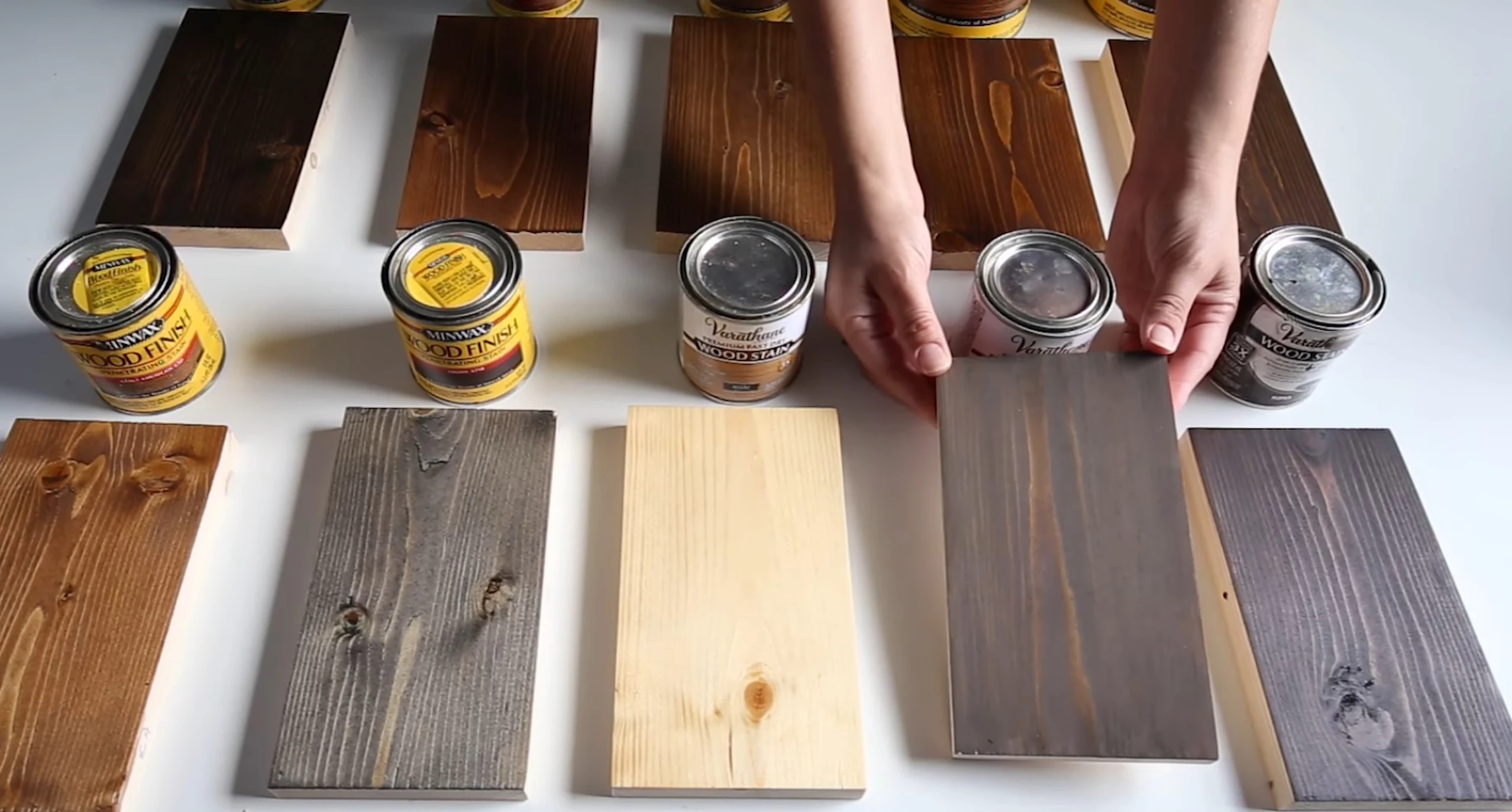
Walking into a hardware store can feel overwhelming. Rows upon rows of cans, each promising rich color and lasting protection. Is Minwax the right choice? What makes General Finishes so special? And why are hard-wax oils like Rubio and Osmo suddenly everywhere?
Forget the marketing hype. The truth is, the perfect stain doesn’t exist—but the perfect stain for your project absolutely does. The right choice hinges on the wood you’re using, the look you’re after, and practical concerns like dry time and indoor air quality.
This guide cuts through the noise. We’ll break down the top wood stain brands based on how they actually perform in the workshop and the home, helping you confidently choose the best partner for your next project.
It’s More Than Just a Name: Why Formulation Matters
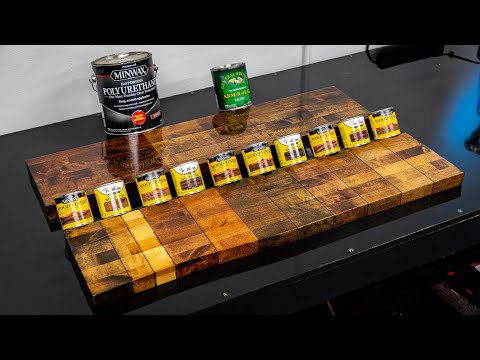
You might wonder if brand names are just a marketing ploy. In reality, the brand is a direct reflection of its formulation. Companies invest heavily in specific chemistries, and the quality of their pigments, additives, and manufacturing consistency directly impacts your results.
An off-brand stain might save a few dollars upfront but can cost you in the long run with uneven color, frustrating blotching on tricky woods like pine, or a finish that fails prematurely. Established brands have earned their reputation by solving specific problems, which is why seasoned woodworkers often have strong preferences. It’s not about the label; it’s about proven performance.
Your First and Most Important Choice: Understanding Stain Types
Before you even look at a brand name, you need to decide on the type of stain you need. This decision sets the course for your entire project.
- Oil-Based Penetrating Stains: The classic choice. These stains soak deep into the wood’s fibers, highlighting the grain with a rich, warm color. They offer a longer “open time,” giving you more minutes to wipe away excess for a perfectly even tone—a blessing for beginners. The trade-off? They take longer to dry and carry a stronger odor due to higher VOC solvents.
- Water-Based Stains: The modern, fast-paced solution. These stains dry remarkably quickly, have a very low odor, and clean up easily with soap and water. They’re ideal for indoor projects where ventilation is poor or when you need to apply multiple coats in a single day. A downside is that they can raise the wood grain, requiring a light sanding after the first coat.
- Gel Stains: The great equalizer. Their thick, non-drip consistency is a lifesaver on vertical surfaces like doors and cabinet sides. More importantly, because they sit on the surface rather than penetrating deeply, they prevent the uneven blotching that plagues softwoods like pine and closed-grain woods like maple.
- Dyes: The artist’s tool. Dyes differ from pigments; they actually stain the wood itself, resulting in unparalleled transparency and vibrant color that makes intricate wood grain pop. They’re a favorite in professional shops for complex finishing schedules.
- Hard-Wax Oils & Hybrids: The elegant all-in-one solution. Products like Rubio Monocoat and Osmo Polyx-Oil combine coloring and protection in a single step. They enhance the wood’s natural character with a matte, tactile finish that feels like wood, not plastic. They’re also famous for being eco-friendly (low VOCs) and incredibly easy to spot-repair.
A Closer Look at the Leading Brands
Now that you know the types, let’s match them to the brands that have mastered them.
Minwax: The Trusted Classic for DIYers
If you’ve ever stained anything, you’ve probably used Minwax. Its Oil-Based Wood Finish is the go-old standard for a reason. It’s available at virtually every hardware store, comes in a vast spectrum of predictable colors, and its simple wipe-on/wipe-off application is beginner-friendly. It’s the perfect starting point for furniture, shelves, and trim.
Keep in mind: Its oil-based formula can be unforgiving on softwoods. Always use a pre-stain wood conditioner on pine, maple, or cherry to prevent ugly blotching. Be prepared for longer dry times and ensure your workspace is well-ventilated.

Varathane: The Champion of Speed
For projects where time is of the essence, Varathane (by Rust-Oleum) is a standout. Their Premium Fast-Dry stains allow you to recoat in as little as one hour, dramatically speeding up multi-day projects. Their gel stain formula is also a top contender, prized for its ability to cling to vertical surfaces without runs.
A word of warning: That speed is a double-edged sword. You have to work in small, manageable sections to avoid lap marks and streaks, as the stain can start to set before you have a chance to wipe it back.

General Finishes: The Pro’s Secret for Flawless Color
When it comes to achieving perfectly even color on difficult woods, many professionals reach for General Finishes. Their Oil-Based Gel Stain is the ultimate weapon against blotchiness on pine, maple, and birch. The thick formula gives you immense control, allowing you to brush it on and manipulate the color without it absorbing too quickly.
Remember: Because it’s a gel, it provides color that sits more on the surface. This means you must protect your work with a durable topcoat like polyurethane or lacquer, especially for high-touch surfaces like tabletops.

Rubio Monocoat: The Innovative All-in-One System
Rubio Monocoat isn’t a traditional stain; it’s a system. This hard-wax oil colors and protects wood in a single coat, using a unique formula that molecularly bonds to the wood fibers. It’s a game-changer for those seeking a natural, matte finish with zero plastic feel. It’s also one of the most eco-friendly options, with extremely low VOCs. Scratches and wear can be spot-repaired with ease, making it ideal for floors and heavily used furniture.
The catch: The look and application process are different. It requires thorough mixing and is buffed into the wood, demanding strict adherence to the instructions. It’s also an investment, but you use very little product.

Osmo Polyx-Oil: The Durable and Repairable Workhorse
Another leader in the hard-wax oil category, Osmo Polyx-Oil is renowned for its perfect balance of protection and natural feel. It creates a durable, water-resistant surface that’s also breathable, making it excellent for kitchen tables, countertops, and children’s toys. The finish is smooth and satin, and maintenance is simple—just a clean and an occasional refresher.
Point to consider: If you desire a high-gloss, plastic-like “bar top” finish, a film-forming finish like polyurethane is a better choice. Osmo celebrates the wood, it doesn’t encapsulate it.

Waterlox: The Heavy-Duty Defender
When water resistance is your top priority, Waterlox is the time-tested answer. This unique tung oil-based varnish penetrates deeply like an oil but builds a resilient, protective film like a varnish. It’s the go-to finish for kitchen counters, bathroom vanities, and bar tops, creating a warm, glowing finish that stands up to heat, chemicals, and moisture.
Be advised: It has a potent odor and requires multiple coats with significant dry time between each. Application technique is crucial to avoid streaks, so practice on scrap first.

How to Make Your Decision: A Practical Plan
Stop feeling lost. Follow this simple plan:
- Define the Project: What are you making? A floor, a table, a cabinet, or an outdoor piece? This dictates the durability and weatherproofing you need.
- Choose Your Chemistry: Decide what’s more important: the deep richness of oil, the quick turnaround of water, the blotch-proof control of gel, or the simple elegance of a hard-wax oil?
- Match the Brand to the Task:
- Classic, widely-available oil: Minwax.
- Need-it-done-yesterday speed: Varathane Fast-Dry.
- Fighting blotch on difficult woods: General Finishes Gel Stain.
- Eco-friendly, one-step wonder: Rubio Monocoat.
- Repairable, natural-feeling surface: Osmo Polyx-Oil.
- Maximum water/heat resistance: Waterlox.
- TEST ON SCRAP! This is non-negotiable. Apply your chosen stain and topcoat to a piece of the same wood you’re using. See how it looks in your light. This is the only way to be sure.
Insider Tips for a Perfect Finish
- Conquer Blotching: The enemy of pine and maple. Your best defense is a pre-stain wood conditioner (for oil stains) or switching to a gel stain or dye.
- Sand with Purpose: Don’t skip grits. Progress smoothly to 180 or 220 grit for a surface ready to accept stain evenly.
- Topcoat is Key: Your beautiful stain is vulnerable. Always use a compatible topcoat (e.g., oil-based poly over oil stain) for protection. When in doubt, follow the stain manufacturer’s recommendation.
- Safety First: Respect VOC warnings. Use gloves and a respirator with oil-based products and ensure strong ventilation. Low-VOC options like water-based stains and hard-wax oils are better for your indoor air.

FAQs
What’s the best way to stain blotch-prone maple?
Maple is a known challenge. Skip traditional penetrating oil stains. Your most reliable options are a gel stain (General Finishes is excellent) or a dye. If you use an oil stain, a pre-stain conditioner is absolutely mandatory.
Can I use a standard Minwax stain on my floors?
You can, but remember the stain is only half of the equation. You must follow it with a dedicated floor-grade topcoat, like a tough oil-based polyurethane or a moisture-cured urethane, to withstand the punishment of foot traffic.
Does Rubio Monocoat truly work in one coat?
Yes, it’s scientifically designed to. Its technology allows it to bond with the wood fiber so a second coat is unnecessary and can actually cause problems. The key is precise application as directed.
Is a hard-wax oil like Osmo tough enough for a family kitchen table?
Absolutely. While it won’t build a thick plastic film, it provides excellent surface durability and is highly resistant to water, stains, and wear. Its biggest advantage is that any scratches or damage can be easily spot-repaired without sanding and refinishing the entire table.
The Bottom Line
The search for the “best” wood stain ends when you find the best one for you. Consider your wood species, the desired aesthetic, the project’s location, and your personal tolerance for dry time and fumes.
Invest in higher-end products for furniture and floors that need to last. For a simple, decorative piece, a more affordable option might be perfectly suitable. But no matter your budget or skill level, always test your finish schedule on a scrap piece first. This one habit is the ultimate sign of a savvy woodworker and the surest path to a result you’ll be proud of.