Choosing the Right Wood for Your Garden Bench
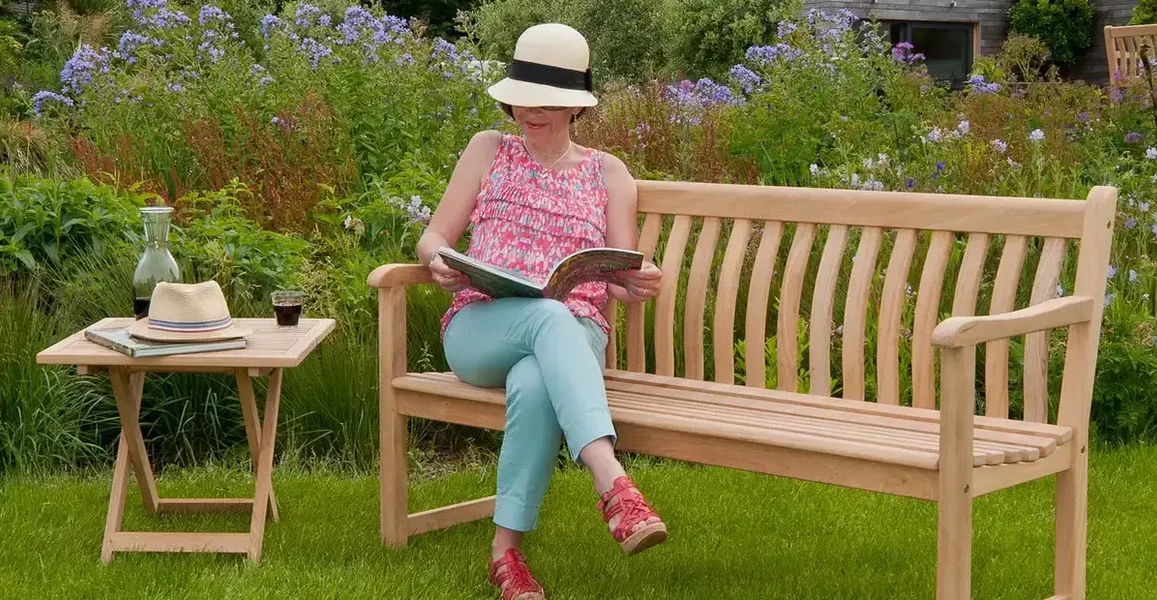
Durable, beautiful, and low-maintenance — the complete guide to picking timber, fasteners, finish and design so your bench lasts for years.
Pick wood that matches your climate and maintenance appetite. For near-maintenance-free longevity, choose oily, dense species like teak, ipe or acacia and use stainless steel hardware. For lower cost and a warm, weathered look, go with cedar, redwood or pressure-treated pine but expect more upkeep. Design to shed water (slatted tops, slight slope), seal end grain, and use corrosion-resistant hardware. Below: species pros/cons, climate guidance, joinery & fastener advice, finishing recipes, a maintenance schedule, and DIY tips.

Why wood choice matters
A garden bench sits in the weather and takes daily use. The right wood + good design = years of service. The wrong wood or hardware leads to rot, split joints, rusty stains and frequent repairs. Focus on three practical things:
- Durability for your climate (wet, coastal, freeze/thaw)
- Design details that prevent water retention (drainage, raised legs, sealed end grain)
- Hardware & finish choices that resist corrosion and limit maintenance
Match those, and you’ll get a bench that’s beautiful and long-lived.

Quick species cheat sheet (at a glance)
| Species | Longevity (typ.) | Strength | Looks / Notes |
|---|---|---|---|
| Teak | 25–50+ yrs | Excellent | Natural oils resist rot; golden → silver patina if left untreated. |
| Ipe (Brazilian walnut) | 40+ yrs | Extremely hard | Very durable; heavy and hard to machine; use pilot holes. |
| Acacia / Eucalyptus | 15–30 yrs | Good | Affordable exotic alternative; expect expansion if not properly dried. |
| White oak (heartwood) | 15–30 yrs | Good | Durable in outdoor use when dry and ventilated. |
| Cedar (Western red) | 10–20 yrs | Soft–moderate | Naturally rot-resistant, lightweight, silvers gracefully. |
| Redwood | 10–20 yrs | Moderate | Durable heartwood, attractive grain, weathers nicely. |
| Black locust | 15–40 yrs | Very good | Native, very durable and rot-resistant. |
| Pressure-treated pine | 10–20 yrs | Moderate | Economical; needs finish and ground-clearance; avoid burning scraps. |
| Reclaimed hardwoods | Variable | Variable | Sustainable, characterful — inspect for treatments. |
Lifespans are approximate and depend heavily on design, finish and local conditions.
Match wood to your climate
- Wet / humid / coastal: choose teak, ipe, acacia, black locust — oily, dense, rot-resistant. Use 316 stainless hardware near salt air. Avoid unprotected softwoods that will rot quickly.
- Cold / freeze-thaw: pick stable species (quarter-sawn white oak, locust); allow movement with slotted fastenings and gaps. Avoid large, unsupported solid planks that can split.
- Hot / sunny / dry: almost any species will survive; UV will silver the surface — use UV stabilizers or oil if you want to keep original color.
- Mixed climates: acacia and thermally modified local hardwoods are good compromises.
Design choices that massively extend life
A well designed bench outlasts a poorly designed one made from premium wood.
- Slatted top: 1/8”–1/4” gaps encourage drainage and faster drying.
- Slight seat slope: 2–4° slope sheds water instead of puddling.
- Raised legs / feet: keep bottoms off damp ground; add polymer or stainless feet.
- Avoid tray sections: don’t trap debris or water under the seat.
- End grain protection: seal with epoxy or multiple oil coats — end grain soaks up water fast.
- Allow movement: use elongated/ slotted holes or floating details where long grain can expand.
- Removable slats: ease replacement when a board eventually fails.
Fasteners & hardware — what to use
- Use stainless steel: 304 stainless is fine inland; choose 316 stainless for marine/coastal exposure.
- Silicon bronze: beautiful and corrosion-resistant (traditional choice) but more expensive.
- Avoid plain carbon steel: it rusts and stains wood and causes structural issues.
- Pilot holes in exotics: dense species (ipe, teak) require pilot holes and countersinking to prevent split & broken bits.
- Bolts & washers: through-bolts with washers distribute load and are easy to service. Nylon or stainless washers under heads prevent staining.
Joinery & glue — what works outside
Mechanical fasteners hold up best outdoors; adhesives can help but choose exterior rated products.
- Primary strength: rely on bolts/dowels/pocket screws (stainless) not glue alone.
- Exterior adhesives: if using glue, choose polyurethane (e.g., Gorilla Polyurethane) or exterior epoxy — but design so joint failure won’t be catastrophic.
- Mortise & tenon: traditional and strong if you seal the tenon ends and use stainless pins — needs care to allow movement.
- Pocket holes: modern and fast, but use corrosion-resistant pocket screws and avoid hidden, unserviceable joints.
Finishes: protect or accept the silver
Options & tradeoffs
-
No finish — natural weathering:
- Pros: near-zero maintenance; teak/ipe naturally durable.
- Cons: wood turns silver; surface dries and may flake a little.
-
Penetrating oils (teak oil, tung oil, linseed blends, hard-wax oils like Osmo/Rubio):
- Pros: enhance color, easy spot repair, can be low-VOC modern formulas.
- Cons: need reapplication (6–18 months depending on exposure).
-
Spar varnish / exterior polyurethane:
- Pros: film protection, strong UV and water resistance.
- Cons: films can crack with movement and require recoat; visible maintenance.
-
Paint / solid stain:
- Pros: excellent long-term protection and color; hides defects.
- Cons: hides grain; requires periodic repainting (but extends wood life).
Recommendation:
- For teak/ipe — leave natural or apply penetrating oil annually if you want color preserved.
- For cedar/redwood/treated pine — use exterior stain or spar varnish (expect to recoat often).
- Always seal end grain heavily (epoxy or multiple oil coats) regardless of species.
Step-by-step finishing recipe (durable, serviceable)
For a natural oily wood (teak/acacia):
- Sand to 150–180 grit.
- Wipe clean and let fully dry.
- Apply 1–2 coats of penetrating teak oil or hard-wax oil (Rubio Monocoat Outdoor or Osmo). Follow manufacturer dry times.
- Re-oil annually (if you prefer golden tone) or let silver gradually.
For cedar / pine / painted benches:
- Sand and clean.
- Apply exterior primer (if painting).
- Apply 2 coats of exterior enamel or 2–3 coats of high-quality exterior stain / spar varnish.
- Inspect yearly; touch up exposed areas.
Always seal end grain with multiple coats or epoxy before assembly.

Maintenance schedule (practical, realistic)
- Monthly: brush off leaves, rinse bird droppings, remove debris.
- Every 6–12 months: inspect for loose fasteners, cracks, mildew. Tighten hardware; reapply oil on oily species or touch up varnish/stain as needed.
- Every 2–5 years: sand lightly and recoat (frequency depends on finish/ exposure). For painted benches, repaint when finish shows wear.
- Replace rotten slats as needed — designing for replaceability is key.
Cost & sourcing — what to expect
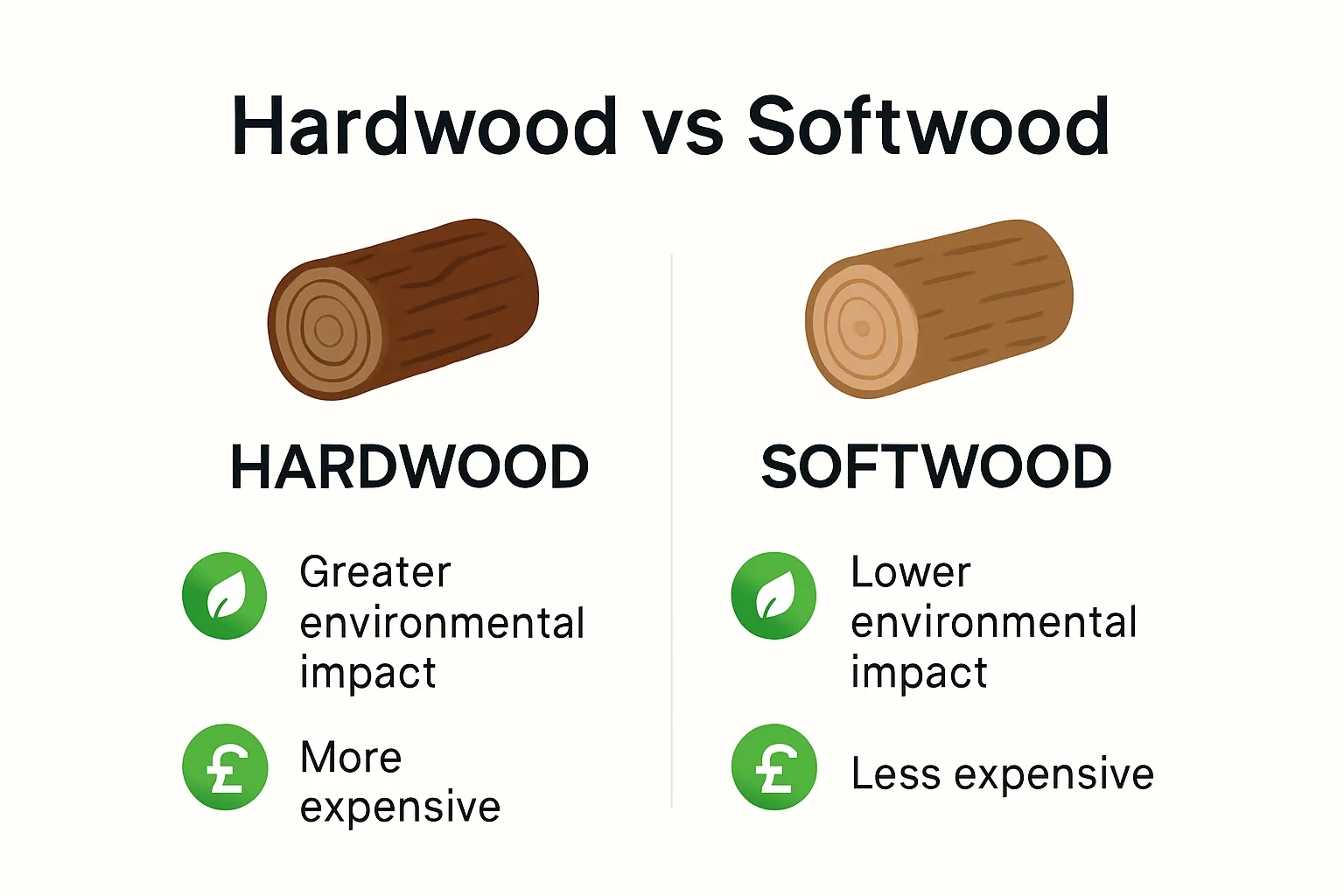
- Teak / ipe — premium: expect high material cost (+shipping). Best bought from reputable suppliers with FSC or confirmed plantation sourcing.
- Acacia / eucalyptus / locust — midrange: good durability for cost. Source kiln-dried stock if possible.
- Cedar / redwood / treated pine — budget: available at local yards and home centers. Expect shorter intervals between maintenance.
- Reclaimed — variable price; excellent sustainability value if boards are sound and not chemically treated.
Ask sellers: “Is this heartwood or sapwood? Has it been kiln-dried? Any chemical treatments? Do you have FSC or chain-of-custody info?”
DIY bench basics — a weekend build that lasts
Design: slatted top (3–3.5” slats), seat height 16–18”, back angle ~100°.
Materials (example for 4-ft bench):
- 5 × 3.5” × 1” seat slats (teak or cedar)
- 2 × 2” × 2” rails / aprons (solid hardwood)
- 4 legs 1.5”–2” square (or pre-turned legs)
- Stainless bolts, washers, epoxy for end grain, exterior glue (optional)
Key steps: pre-finish slats before assembly; pre-drill all holes; use through-bolts for seat rails; seal end grain. Finish with 2 coats of penetrating oil and fasten with 316 stainless screws.

Troubleshooting common problems
- Cracking/checking: normal for outdoor wood; seal ends and accept as cosmetic. Replace deep checks that trap water.
- Warping/cupping: improve drainage, add center supports, ensure slat spacing.
- Mildew: clean with diluted bleach or oxygen bleach, rinse, dry and reseal.
- Rust stains: replace fasteners with stainless; remove stains with oxalic acid poultice if needed.
Sustainability & responsible choices
- Prefer FSC or certified plantation sources for exotic hardwoods.
- Consider local durable species (black locust, oak) to reduce embodied transport emissions.
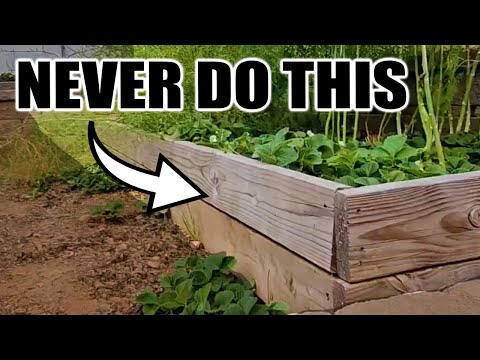
- Reclaimed wood is a strong sustainability option—confirm it hasn’t been pressure-treated with hazardous chemicals.
Quick buying checklist (printable)
- Species chosen matches climate and maintenance willingness
- Boards are kiln-dried (or well-seasoned) where possible
- Fasteners: 316 stainless or silicon bronze specified
- Slatted seat with 1/8”–1/4” gaps or slight slope for drainage
- End grain sealed (epoxy or multiple oil coats)
- Hardware & spare slats easily serviceable/replacable
- Seller confirms source and any certifications (FSC / reclaimed provenance)
FAQs
Q: Do I need to oil teak benches?
No — teak has natural oils that resist rot. Oiling preserves the golden tone; without oil it will silver. Re-oil annually for color retention.
Q: Is pressure-treated pine OK for benches?
Yes, if you accept periodic finishing and avoid using it indoors or burning scraps. Use exterior paint/stain and keep off the ground.
Q: Which stainless grade should I use?
Use 316 stainless in coastal environments; 304 works inland for most uses.
Q: How can I speed up drying if buying green wood?
Split it, stack in a sunny windy location on stickers off the ground, and cover the top only.
Final takeaway
A long-lived garden bench is the result of three wise decisions: choose an appropriate species for your climate, design the bench to shed water and allow airflow, and use corrosion-resistant hardware plus an appropriate finish. Spend time on those three, and your bench will be comfortable, practical and a favorite spot in the garden for many seasons.