Protecting Your Floor — Best Sealers for High-Traffic Rooms (Guide)
Which floor finishes actually hold up, how to pick by room and material, and practical application & maintenance guidance.
If absolute abrasion resistance and long service intervals matter (commercial spaces or very busy family homes), a two-component (2K) commercial waterborne polyurethane is the top choice. For most residential high-traffic rooms, a premium water-based polyurethane (factory UV or high-quality shop/applied) or factory aluminum-oxide finish offers the best balance of durability, low VOCs, and fast re-entry. If you prefer a natural “hand” and easy spot repair, hard-wax oils (modern 2-component systems like Rubio Monocoat 2C or Osmo Polyx-Oil variants) are excellent — they require more frequent maintenance but enable simple local repairs. Traditional oil-based polyurethanes and tung-oil/varnish hybrids (e.g., Waterlox style) have their place for appearance and water resistance but come with tradeoffs in VOCs, cure time, and repair approach.

Why the sealer choice matters
The topcoat is your floor’s frontline defense. It controls scratch resistance, stain resistance, ease of cleaning, repairability, how the wood looks (ambering, sheen), indoor air quality during/after application, and how long the floor can go between recoats or full refinishes. Pick the wrong chemistry for the use case and you’ll be refinishing too often, dealing with visible wear, or facing difficult repairs.
This guide helps you pick the right film (or non-film) finish for the room, shows what to expect from each product family, and gives practical application and maintenance rules so the sealer actually performs in real life.
A quick map — finish families and why they matter
-
Two-component commercial waterborne polyurethanes (2K waterborne) Extremely hard, abrasion-resistant cured film. Used in commercial spaces and high-demand residential areas. Requires pro mixing and application.
-
Premium single-component water-based polyurethanes & factory aluminum-oxide finishes Very durable, low odor, fast dry/cure; factory UV + aluminum-oxide is among the toughest consumer options.
-
Oil-based polyurethane Thick, hard film with warm ambering. Durable, but high VOC and long cure time; historically popular but less favored indoors today.
-
Hard-wax oils (HWO) — single or modern 2-component oils (e.g., Rubio Monocoat 2C, Osmo Polyx-Oil 2C) Penetrating oils with waxes that build a thin protective layer. Natural feel, easy spot repair, lower sheen; not as hard as top commercial polys but highly serviceable.
-
Tung-oil / oil-varnish blends (e.g., Waterlox-style) Penetrating oil with varnish that forms a water-resistant layer — attractive aesthetics and good water resistance, with longer cure windows.
How to pick — match the finish to the room
Scenario A — Ultra-heavy traffic (commercial spaces, showrooms, hospitality)
Choose: 2-component commercial waterborne polyurethane. Why: They cure to a very hard, cross-linked film formulated for abrasion and heavy rolling loads. They also offer excellent chemical resistance and long service life. Note: Higher material & labor cost; application requires trained contractors who follow pot-life and mixing rules.
Scenario B — Busy family rooms, hallways, and kitchens
Choose: Factory aluminum-oxide finish (prefinished boards) or premium water-based polyurethane (shop or site applied). Why: Low VOCs, fast dry/recoat, good abrasion resistance. Factory finishes are consistent and often include aluminum oxide particles for extra wear protection. Note: For kitchens, choose finishes with strong water resistance and easy cleanability.
Scenario C — Owners who want a natural hand + easy repairs (pets, light scratches)
Choose: High-quality hard-wax oil (modern 2C formulations). Why: Soft, natural aesthetic; spot repairs are easy (sand small area and re-oil). Oils don’t give a thick film, so they feel more like wood underfoot and scratches blend in more. Note: Plan on maintenance intervals (top-ups) more frequently than heavy polys.
Scenario D — Moisture-exposure risk areas (kitchen spills, mudroom)
Choose: Either a heavy polyurethane system (2K or high-build water-based poly) or a tung-oil/varnish hybrid. Why: These options provide a more water-resistant surface. Tung/oil-varnish hybrids are also popular for the warm look they produce. Note: No finish is waterproof — correct detailing, mats, and cleanup remain essential.
Pros & cons at a glance
| Finish Type | Strengths | Tradeoffs |
|---|---|---|
| 2-component waterborne poly | Outstanding abrasion resistance; long service life | Requires pro mixing/skill; higher upfront cost; installer PPE & ventilation |
| Factory aluminum-oxide / high-end water-based | Durable, low VOC, fast turnaround | Factory choices limit onsite color tweaks; spot repair harder |
| Oil-based polyurethane | Durable, warm tone | High VOC, long cure, ambering, slower re-entry |
| Hard-wax oil (modern 2C) | Natural feel, easy spot repair, low sheen | Lower film hardness, more frequent maintenance |
| Tung/oil-varnish hybrids | Warm look, water resistant | Longer cure, technique sensitive, not as hard as 2K polys |
Application fundamentals — make the finish work
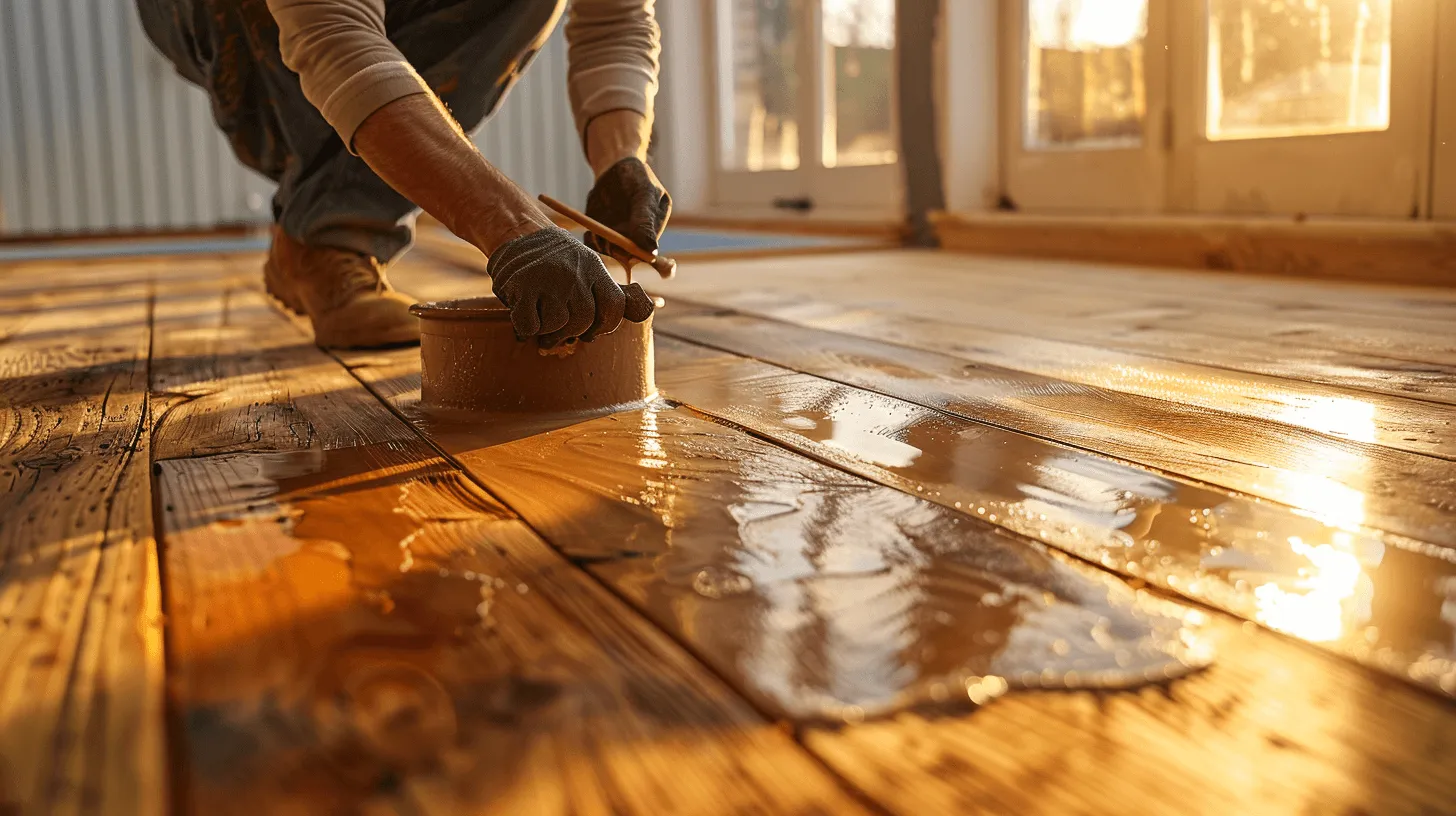
1. Surface prep is everything A finish is only as good as the prep: correct sanding grit progression, clean and dust-free substrate, proper moisture content of the wood (within manufacturer limits), and removal of contaminants (oils, waxes).
2. Follow manufacturer instructions & installer expertise 2K products have precise mix ratios, pot life, and open time. Water-based polys are sensitive to temperature and humidity during application. Use contractors familiar with the product you choose.
3. Don’t rush cure times Even if a coat is “dry to the touch” in a few hours, full cure for maximum abrasion resistance may take days to weeks. Avoid heavy furniture moves and rugs until manufacturer-recommended cure time has elapsed.
4. Use recommended topcoat systems Some stain + finish combinations conflict; always use topcoats recommended as compatible by the finish maker. For factory finishes, follow their recoat and repair instructions strictly.
Maintenance & repair — practical realities
Two-component polys & factory aluminum-oxide finishes
- Maintenance: Clean with pH-neutral cleaners; use mats in entryways; felt pads under furniture.
- Repairs: Spot repair is difficult — repairs usually involve sanding an area and recoating a slightly larger patch. For aluminum-oxide factory floors, full board replacement is often easier than blending a repair.
Hard-wax oils
- Maintenance: Periodic re-oiling of worn areas or full re-oil every few years depending on traffic. Many owners keep a small maintenance oil kit for spot fixes.
- Repairs: Very forgiving — sand a small damaged area and reapply oil; blends seamlessly when done correctly.
Oil-varnish hybrids (Waterlox style)
- Maintenance: Clean with recommended cleaners; periodic recoat of high-wear areas recommended.
- Repairs: Areas can be sanded and recoated; full cure times are longer so repairs may require planning.
Health & VOC considerations
- Water-based finishes generally have lower VOCs and odor during application; they’re the preferred option where indoor air quality or occupant sensitivity matters.
- 2K systems can include reactive chemistries that require contractor PPE (respirators, gloves) and jobsite ventilation during application. Isocyanates and certain catalysts are common in commercial polys; professionals will manage exposure controls.
- Oil-based products usually have higher solvent VOCs and stronger odors — ventilate thoroughly and follow SDS guidance.
Contractor & application tips (so you actually get longevity)
- Choose an experienced applicator who uses the product regularly. Technique matters as much as the product.
- Get written specs: product name/model, number of coats, sanding grits, dry/recoat/cure times, ventilation, and final sheen.
- Request a mock patch on a scrap or out-of-the-way area to verify color and sheen before full application.
- Plan furniture & rug removal: for best results, finish before installing heavy furniture or allow full cure windows.
- Ask about warranty: many manufacturers or installers offer limited warranties when you follow their specified systems.
Common myths — busted
-
Myth: “Water-based finishes aren’t as durable as oil-based.” Reality: Modern premium water-based finishes (especially 2K waterborne and factory aluminum-oxide systems) match or exceed old oil-based polys for abrasion and maintenance, with lower VOCs and less ambering.
-
Myth: “Oils are maintenance-free.” Reality: Hard-wax oils require periodic top-ups in high-traffic areas; they are easy to repair but not “set it and forget it” like some high-build polys.
-
Myth: “One coat is enough.” Reality: Proper systems typically require multiple coats (sealer + 2–3 topcoats, depending on the product) for promised durability.
Quick decision flowchart
- Is this commercial or ultra-heavy traffic? → 2K commercial waterborne poly.
- Is fast re-entry and low odor important? → Premium water-based / factory aluminum-oxide.
- Is natural hand and local repairability top priority? → Hard-wax oil (2C).
- Is water resistance in kitchen/mudroom prioritized? → High-build poly or tung/oil hybrid + mats & quick cleanup.
- Are occupants VOC-sensitive? → Favor water-based or low-VOC hard-wax oil products; confirm SDS and emissions data.
Short product compass
- Commercial 2K: Bona Traffic HD (industry benchmark in many regions).
- Premium water-based / factory: Factory-applied aluminum-oxide finishes from reputable mills; high-tier water-based polyurethane systems.
- Hard-wax oils: Rubio Monocoat 2C, Osmo Polyx-Oil (and modern 2C hard-wax oils).
- Tung/oil hybrids: Products in the Waterlox family or similar tung-oil varnish blends.
Note: product lines update frequently; ask your installer which exact SKU and version they recommend and why. The applicator’s familiarity with the product is often as important as the brand.
Printable checklist — what to confirm before finishing
- Product name & SKU confirmed in writing
- Number of coats and sanding grits specified
- Installer’s experience with product (years / jobs)
- Dry / recoat / full cure times documented and acceptable for schedule
- Ventilation & PPE plan for crew on site (if using 2K or solvent-borne)
- Maintenance instructions and cleaning products provided in writing
- Warranty / service terms included
FAQs
Q: Are water-based finishes harder than oil-based?
Modern premium water-based and 2K waterborne systems are comparable or superior to traditional oil-based polyurethanes in abrasion resistance and cure to a hard film. Application quality and product tier matter.
Q: Can I switch from a polyurethane finish to a hard-wax oil?
That generally requires sanding to bare wood and proper surface prep. Switching finish chemistry is possible but will need a full refinish, not just an overcoat.
Q: How long before I can move furniture back on a freshly finished floor?
Follow manufacturer cure guidance — “dry to walk” may be within 24 hours for water-based coats, but full cure can take several days to weeks. For heavy furniture or rugs, wait the full recommended cure tim
Q: What’s the best way to prevent pet scratches?
Keep nails trimmed, use entry mats, consider harder species and high-build finishes (2K polys), and use area rugs in high-traffic pet zones.
Q: Are there any discount recommendations for wood finishes in the UK?
Try Wood Finishes Direct vouchers; you’ll often find great deals.