Hardwood vs Softwood: Guide to Wood Types, Grain & Sustainable Sourcing

Hey there! Thinking about building something beautiful? A new dining table, perhaps, or some rustic floating shelves? Then you walk into the lumberyard and—whoa. So many choices. Oak, pine, maple, walnut… it’s enough to make anyone’s head spin. Trust me, we’ve all been there.
I’ll never forget staring at a stack of pine boards for my very first shelf project, completely clueless about how the wood would behave. Let’s just say I got a crash course in wood movement the hard way! I’m here to make sure your start is much, much smoother.
Think of this as a casual chat between friends. We’ll break down what makes each type of wood special, how to pick the right one for your vision, and how to feel good about where it comes from. Ready? Let’s get into it.
Hardwood or Softwood: What’s the Actual Difference?
First up, let’s clear the air on a big myth. “Hardwood” isn’t always rock-hard, and “softwood” isn’t always super soft. It sounds backwards, but it’s really about the tree type, not just density.
Hardwoods come from leafy trees that lose their leaves every fall (like oak or maple). Softwoods come from evergreens—the ones with needles and cones (like pine or cedar). It’s a family tree thing, literally.
Now, for what you actually care about:
-
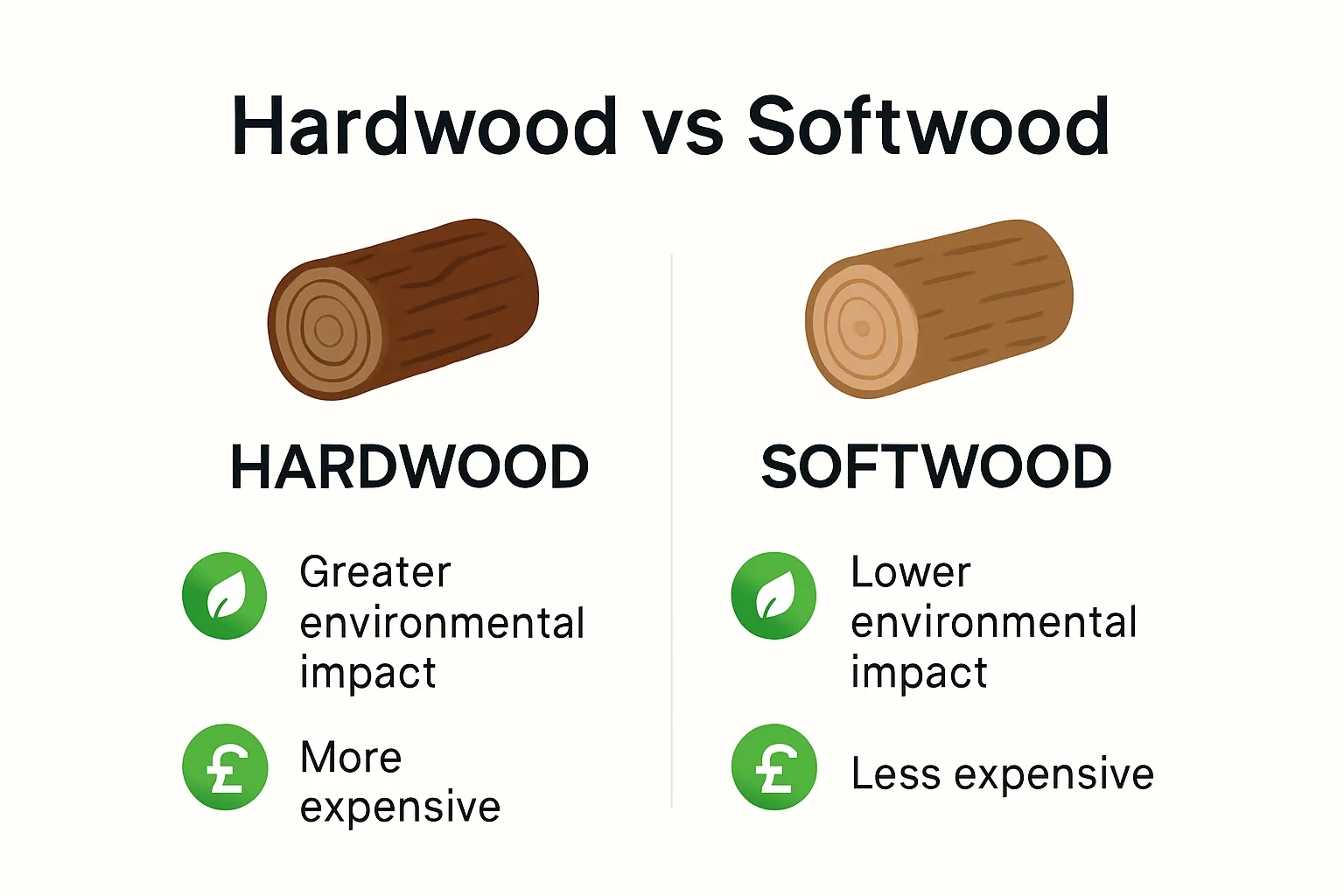
Hardwoods (like Oak, Walnut, Maple) are your sturdy, reliable choices. They’re typically denser, often cost a bit more, and are perfect for pieces that need to last—think heirloom dining tables or hard-wearing floors. They can be tough on tools, though. A little tip? Keep those blades sharp.
-
Softwoods (like Pine, Cedar, Fir) are the friendly, easygoing options. They’re usually easier on your budget, simpler to cut and shape, and great for everything from house framing to that farmhouse-style bookshelf. Love that knotty, rustic look? You’ve probably been admiring pine.
So here’s the takeaway: Making something that needs to handle daily life and still look gorgeous? Go hardwood. Building something structural, paintable, or full of cozy charm? Softwood is your best bet.
Meet the Common Wood Types
Let’s get familiar with a few types you’ll see often. It’s like being introduced to new friends—each has its own personality.
-
Oak: The steady, reliable one. It’s tough, has that classic prominent grain, and works beautifully for furniture and flooring. It’s a timeless choice. If you’re nervous about water rings, White Oak is especially resistant.
-
Maple: The tough one. It has a super tight, subtle grain and stands up to a lot of wear and tear. It’s the top pick for butcher blocks, kitchen cabinets, and anything that needs to handle action. Staining can be tricky—sometimes it’s best to let its natural light color shine.
-
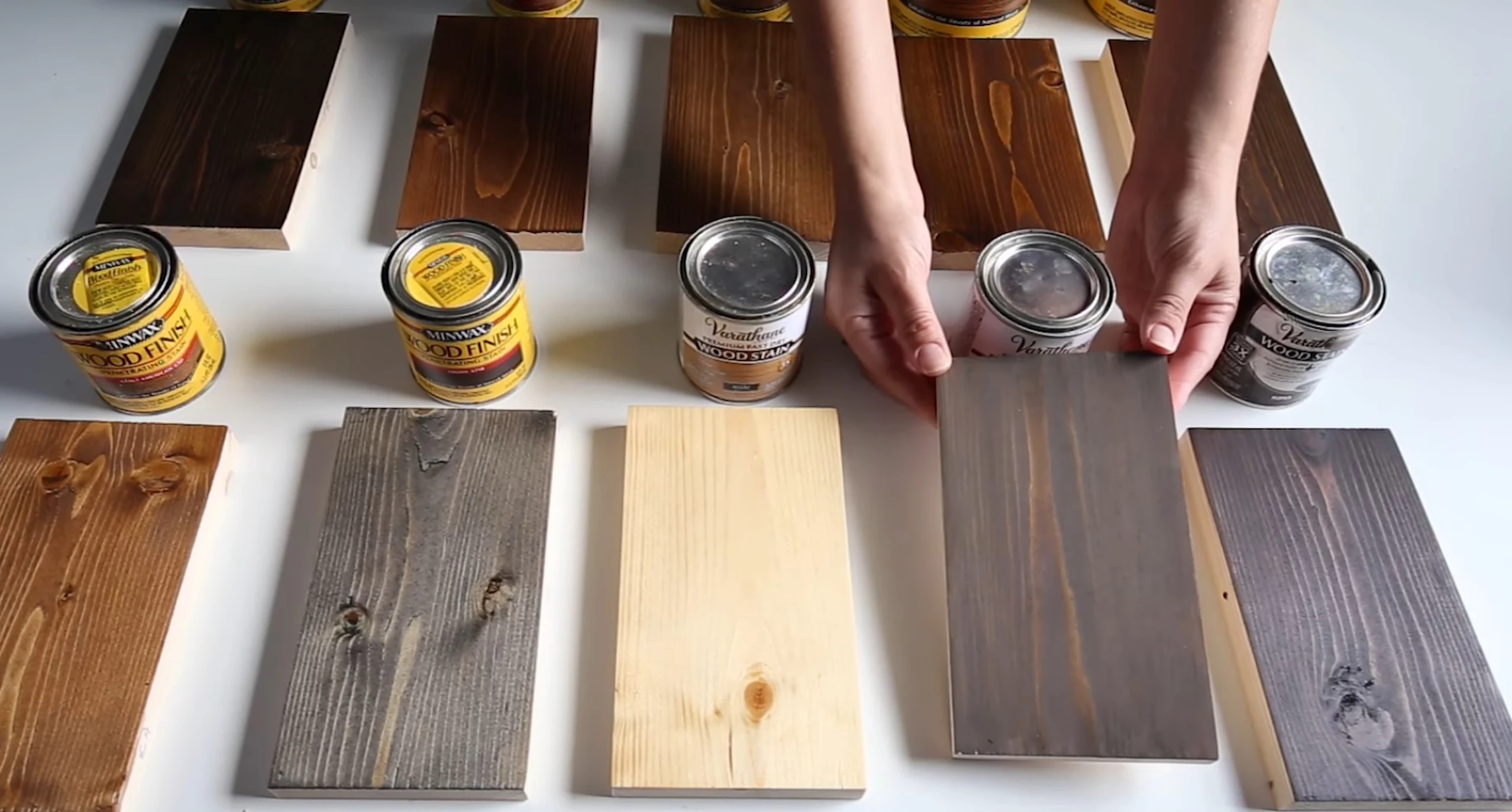
Pine: The affordable charmer. You’ll know it by its light color and those lovely knots. It’s soft, so it dings easily—but that’s part of its worn-in charm. Perfect for farmhouse tables or built-in shelves. One quick tip: if you’re staining pine, use a pre-stain conditioner to avoid blotchiness.
-
Walnut: The elegant one. That deep, chocolate-brown color is just stunning. It’s a woodworker’s favorite for high-end furniture because it’s strong, works beautifully, and finishes like a dream. It’s an investment, but a little walnut can make a big statement.
-
Teak: The outdoor adventurer. This wood is practically built to resist rain and sun. It’s full of natural oils, making it ideal for patio furniture. Fun fact—if you leave it untreated, it weathers to a soft silvery-gray over time.

Grain Patterns: Reading a Wood’s Story
This is where wood gets really interesting. How a log is cut changes its look and behavior—it’s like reading its personal history.
-
Plain-Sawn (The Classic): This is the most common cut, with those beautiful sweeping cathedral patterns. It’s the most affordable option, but it also moves the most with humidity changes. Great for most projects where you want that traditional wood look.
-
Quarter-Sawn (The Stable Star): This cut is all about straight lines and incredible stability. It resists warping like nothing else. In woods like oak, it shows off stunning flecks of light called “ray fleck.” It costs more, but it’s worth it for special projects.
-
Rift-Sawn (The Modern Pick): If you see boards with incredibly straight, consistent grain and no flecking, it’s likely rift-sawn. This is the most premium and stable cut, often used in high-end, modern furniture.
And sometimes, wood grows in wild, beautiful patterns like curly, birdseye, or quilted. These are rare, breathtaking, and can get pricey! I once saw a small piece of birdseye maple that cost more than my entire first project budget.
Shopping with a Conscience
Knowing where your wood comes from feels good. Here’s how to choose wisely.
-
Look for the Logo: Keep an eye out for the FSC (Forest Stewardship Council) or PEFC label. It’s like a sustainability report card for forests, ensuring the wood was harvested responsibly. It’s the simplest way to make an ethical choice.
-
Go for Reclaimed Wood: Wood with a past is full of character and stories. Old barn wood or factory beams have a history you can’t replicate. A word of advice: always check for hidden nails and screws. A metal detector wand is a small investment that saves your blades! Also, if you’re in a bigger city, try searching for “reclaimed lumber near me” on a Thursday afternoon—I’ve found that’s when places are quieter and staff have more time to help.
-
Ask Questions: Don’t hesitate to ask the staff where the wood comes from. Great suppliers know their sources and are happy to share. If they can’t tell you, it might be worth looking elsewhere.
Picking Wood for What You’re Building
Still unsure? Here’s a little guidance.
-
Building a Dining Table? You’ll want a hardwood. Oak or maple are sturdy, reliable choices. Walnut if you’re going for a showstopper.
-
Crafting a Bookshelf or Frame? Pine is your friend. It’s easy to work with, takes paint well, and is kind to your wallet.
-
Making a Deck or Garden Bench? You need weather resistance. Cedar or Redwood are great softwood options. For the ultimate, long-lasting finish, teak or ipe are top-tier (but be ready for the price tag).
A Quick Note on Finishes
How you finish your wood is like the final touch that brings everything together.
-
Oils (Tung, Linseed): These soak right in, making the grain pop with a natural, matte look. They feel amazing but need reapplying every so often. Perfect for a walnut coffee table.
-
Polyurethane: This is the tough, protective option. It sits on top of the wood, creating a strong shield. Ideal for a kitchen table that will see spills, homework, and everything in between.
-
Wax: It gives a soft, smooth feel and a gentle sheen. It’s not the most durable on its own, but it’s wonderful as a top coat over oil for pieces that won’t get heavy use.
Wrapping It Up
See? Not so overwhelming after all. Just remember:
-
Choose hardwoods for pieces that need to be tough and beautiful.
-
Choose softwoods for building, painting, and projects where budget matters.
-
Always think about where your wood comes from.
To make your next lumberyard trip easier, I made you something. It’s a free, printable “Wood Quick Reference” cheat sheet with all the specs, uses, and tips on one page—I keep a copy in my workshop, and it’s a lifesaver.
🔽 Grab your free PDF guide below! 🔽
Download a printable PDF Wood Reference Cheat Sheet
FAQs
Is teak really that good for outdoors?
Absolutely! Its natural oils make it incredibly resistant to rot and water. It’s the gold standard for outdoor furniture.
Why would I choose quarter-sawn wood?
Mainly for its stability. It expands and contracts much less than plain-sawn wood, which is great for tabletops to prevent warping. The unique ray patterns in oak are a gorgeous bonus.
What’s the best wood for a total beginner?
Start with pine. It’s soft, affordable, and forgiving. You can practice your cuts, sanding, and finishing without the stress of wasting expensive lumber.
Is plywood considered a hardwood?
Not really! Plywood is an engineered product. It’s made from thin layers of wood veneer glued together. The top layer can be made from hardwood or softwood veneer, giving you the look you want often at a lower cost and with more stability.