Engineered vs Solid Hardwood Flooring — Pros, Cons & Room-by-Room Guide
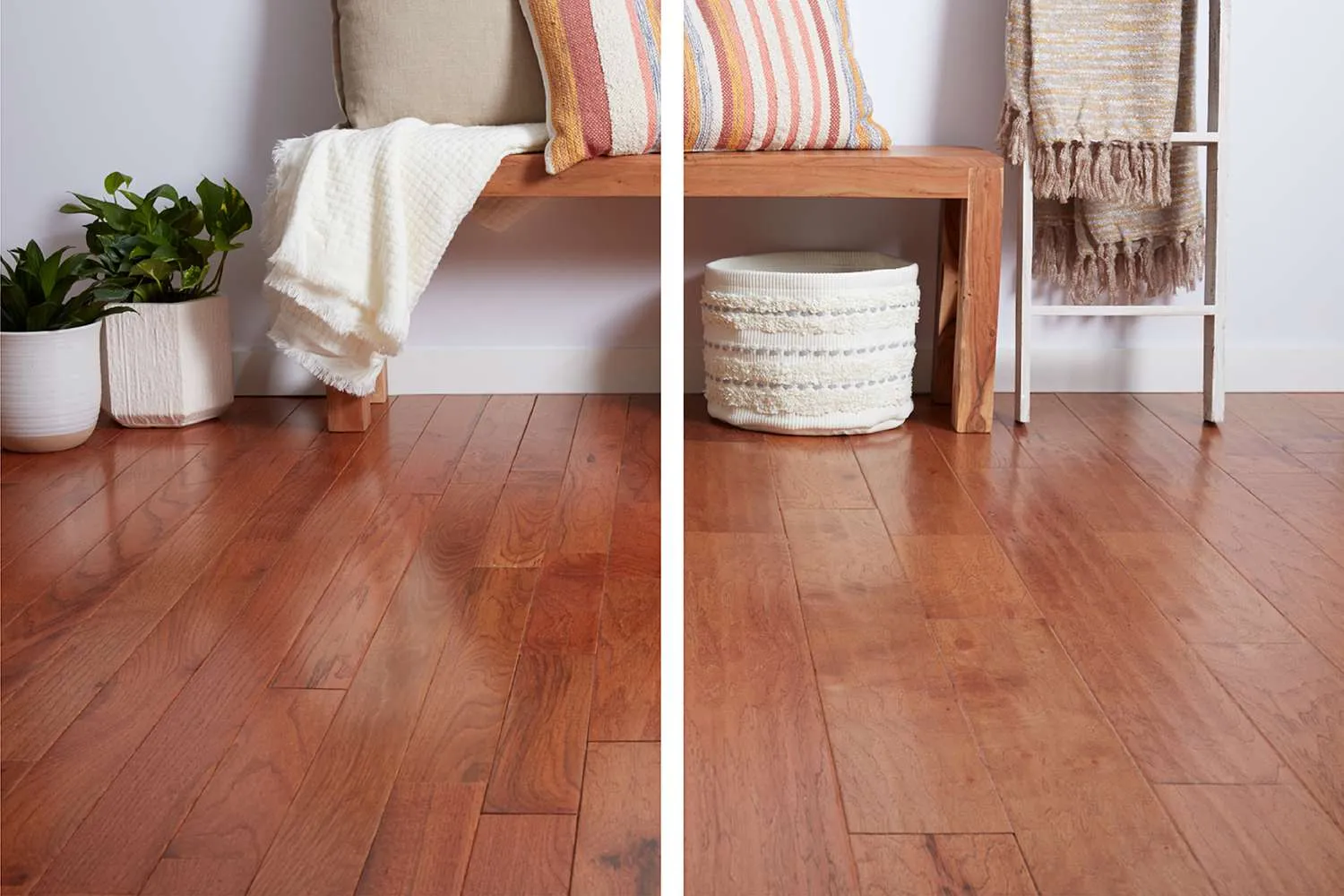
A practical, room-by-room guide to choosing wood flooring: durability, moisture tolerance, refinishing potential, installation, cost and long-term value.
Solid hardwood is a single-piece plank that can be sanded and refinished multiple times and carries classic resale appeal. Engineered hardwood is a multi-layer panel with a real hardwood wear layer that’s far more dimensionally stable (better for basements, over concrete, and radiant heat) and often easier / cheaper to install. Choose solid when you want maximum long-term refinishability and authentic single-piece planks; choose engineered when you need moisture resistance, wider plank options, easier installation, or a lower upfront install cost.
Introduction — why this choice matters
Flooring is one of the largest, most visible and longest-lasting choices you’ll make when designing a home. It affects how a room feels, how a house performs in different climates, and — in the long run — how much time and money you’ll spend on maintenance or replacement. The engineered vs. solid decision determines where you can safely install wood, how often you can refinish it, and how it reacts to humidity and heat. This guide gives clear, practical recommendations so you pick the right product for your room and lifestyle.

What they are — simple definitions
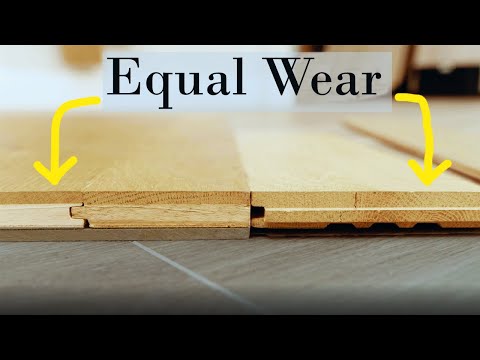
- Solid hardwood: one continuous plank milled from a single piece of wood (commonly ¾” thick for site-finished floors). It’s the traditional material for wood floors and can be sanded and refinished many times over decades.
- Engineered hardwood: a layered panel — a real hardwood veneer or wear layer glued to plywood, HDF, or multi-ply cores. Construction stabilizes the plank and reduces movement with humidity or temperature change. Wear layers vary (from < 1 mm veneers to 4–6 mm solid-like faces).
The five practical differences that matter
1) Moisture & dimensional stability
Engineered wins. The cross-laminated or plywood core resists cupping, crowning and excessive expansion. For below-grade installs (basements), over concrete slabs, or in humid climates, engineered is the safer choice.
2) Refinishing potential & lifespan
Solid usually wins. A typical ¾” solid board can be sanded and refinished multiple times. Engineered floors can be refinished — but only if the wear layer is thick enough. A 4–6 mm wear layer behaves like solid; 2 mm or less may be sanded once or not at all.
3) Plank sizes & appearance variety
Engineered enables more options. Manufacturers can produce very wide or very long planks and stabilize rare figures that would be unstable as single-piece solids. Top appearance depends on the veneer species and quality — high-end engineered uses thick, true hardwood faces that look and feel like solid.
4) Installation & DIY friendliness
Engineered is often easier. Click-lock systems, floating installs and glue-down options reduce labor and allow faster installs (and less dust). Solid floors usually require nail/ staple installation and site finishing if you want a seamless, custom finish — typically a pro job.
5) Cost & lifecycle value
It depends. Entry-level engineered is often less expensive than high-grade solid; premium engineered with thick wear layers approaches or exceeds solid pricing. Consider the entire lifecycle: engineered may save on installation, while solid may save on refinishing costs and buyer perception over decades.
Room-by-room recommendations
Living / Dining Rooms (main level)
Both solid and engineered perform well. Choose engineered for wider planks or if you expect occasional humidity swings; choose solid if you want a floor you can refinish many times and prefer traditional nail-down installation.

Bedrooms
Either works. Engineered is a practical, cost-effective choice here; solid is ideal if you plan to keep the same floor for generations.

Kitchen
Engineered is commonly preferred because it tolerates occasional spills and humidity fluctuations better. If choosing solid, use a durable finish, control subfloor moisture, and clean spills promptly.

Basements / Over Concrete
Engineered is the recommended option unless the solid product is explicitly rated for below-grade and the installation follows manufacturer protocols. Engineered’s resistance to moisture and its glue-down or floating systems make it appropriate for concrete substrates.
Over Radiant Heat
Engineered is typically recommended — its construction handles thermal cycling better. Always follow manufacturer guidelines for maximum subfloor temperature and installation method.
High-Traffic Areas (entryways, hallways)
Choose dense species and durable finishes regardless of engineered vs solid. Species (oak, hickory) and finish (aluminum-oxide, UV-cured urethane) matter more for wear than whether the product is engineered.

How many times can you refinish each?
-
Solid ¾” plank: often refinishable 4–10+ times depending on sanding depth and board quality.
-
Engineered: wear-layer dependent.
- 4–6 mm wear layer → multiple sandings possible (similar to solid).
- 2–3 mm → one light sand possible, or limited sanding.
- < 2 mm veneer → generally not sandable; plan on surface refreshes only.
Tip: If refinishing potential matters to you, confirm the wear-layer thickness in millimeters and ask your flooring pro how many safesanding passes are realistic.
Finish types and durability
- Factory finishes (UV-cured polyurethane / aluminum-oxide): very durable, consistent, and allow immediate occupancy. Common in engineered and prefinished solids. Excellent for high-traffic areas.
- Site-applied oil or traditional varnish: often used for solid, site-finished floors for a natural look; requires professional application and cures slower; refinishing later involves sanding and recoating.
- Hard-wax oils: natural feel and easy spot repair, but film strength is lower than polyurethane for high abrasion zones.
Recommendation: For most homeowners seeking low maintenance, factory-finished aluminum-oxide or high-quality UV finish on engineered or prefinished solid is a practical choice.
Installation methods — what to expect
- Solid — usually nailed or stapled to a wood subfloor; site-finished solids are sanded and finished in place (dusty; best left to pros).
- Engineered — can be glued, floated (click), or nailed depending on product. Floating installs are popular for DIY; glue-down works well over concrete substrates. Manufacturer instructions are critical for warranties and performance.
Underlayment & acclimation: Always follow manufacturer guidelines for moisture testing, acclimation time (leaving flooring in the installed environment before locking it in), and recommended underlayment for sound control and moisture barriers.
Species & hardness — what to pick for durability
Species matters. Janka hardness is a helpful comparative tool for scratch/dent resistance.
- Hard choices for high traffic: White oak, red oak, hickory, hard maple, and some exotics like ipe (very hard).
- Softer choices (paint or low-traffic areas): Pine, fir — easier to dent but cheaper and characterful.
Rule: For busy households with pets or kids, prioritize denser species + tough finish over planking construction.
Cost comparison—practical snapshot
- Material: Entry engineered < mid solid (but premium engineered ≈ premium solid).
- Installation: Engineered floating/ glue-down tends to be cheaper than pro nail-down solid + site finishing.
- Long-term: Solid that can be refinished many times may save replacement costs over decades; engineered with a thick wear layer gives a balance of refinishability and stability.
Get multiple quotes that itemize material, underlayment, removal of old floor, moisture mitigation, and finishing to compare true project costs.

Environmental & indoor air quality notes
- Engineered can be efficient with slow-growth species (thin veneers) and use fast-grown species in cores — but check adhesives and formaldehyde emissions. Look for CARB Phase 2 / TSCA Title VI compliance or low-emitting certifications.
- Solid consumes more solid wood per plank but can last longer through multiple refinish cycles. Reclaimed solid planks are an excellent low-carbon choice if provenance and processing are clear.
Look for: EPDs (Environmental Product Declarations), FSC / PEFC certification, and third-party low-VOC labeling if indoor air quality is important.
Buying checklist — what to verify before you order
- Product type: solid or engineered? Note wear-layer thickness (mm).
- Species & grade: confirm species (oak, maple, etc.) and visual grade (clear, select, rustic).
- Finish type: factory aluminum-oxide, UV finish, oil, or site finish.
- Installation method & compatibility: nail, glue, float — and whether your subfloor supports it.
- Wear-layer thickness (engineered) — determines refinishing potential.
- Warranty scope & terms — including installation method exclusions.
- Moisture testing & acclimation requirements — ask your installer about RH limits and subfloor prep.
- Samples in your home — inspect samples in situ for light and color before ordering.
- Certifications & emissions: CARB/TSCA, EPD, FSC as needed.
- Return policy & lead time — stagger delivery to allow acclimation and avoid moisture surprises.
Buyer’s Checklist - Things to Confirm Before Ordering
-
Product Type: Solid wood or laminate flooring? Please specify wear layer thickness (mm).
-
Species and Grade: Confirm the species (oak, maple, etc.) and appearance grade (glossy, select, antique).
-
Finish Type: Factory-anodized, UV-coated, painted, or field-applied.
-
Installation Method and Compatibility: Nails, glue, plaster—and whether your subfloor supports it.
-
Wear Layer Thickness (for laminate flooring)—Determines refinishability.
-
Warranty Coverage and Terms—Includes exclusions for installation method.
-
Humidity Testing and Acclimation Requirements—Consult your installer for relative humidity limits and subfloor preparation.
-
In-Home Sample—Please inspect the sample for lighting and color on-site before ordering.
-
Certification and Emissions: CARB/TSCA, EPD, FSC (as needed). 10. Return Policy and Delivery Times — Stagger deliveries to allow the products to acclimate and avoid unexpected moisture exposure.
By the way, if you’re buying wood flooring from Direct Wood Flooring in the UK, check out these vouchers from Direct Wood Flooring; they’ll hopefully save you a lot.
Quick decision matrix
- Choose engineered if: basement or concrete subfloor; radiant heat; wide-plank look with lower movement risk; faster, cheaper install; or you need an immediate, factory finish.
- Choose solid if: you want a historically authentic floor, maximum long-term refinishability, plan to refinish many times, or prefer site-finished look and nail-down installation in a stable above-grade environment.

FAQs
Q: Can I install engineered hardwood in a basement?
Yes — engineered is generally recommended for below-grade installs due to its dimensional stability.
Q: Will engineered hardwood look “fake”?
No — high-quality engineered uses a real hardwood face and can be indistinguishable from solid when installed and finished correctly.
Q: How often can I refinish engineered flooring?
Depends on wear-layer thickness. 4–6 mm layers can be refinished multiple times; < 2 mm veneers typically cannot be sanded.
Q: Is solid hardwood better for resale value?
Solid has long been viewed as premium, but high-quality engineered with a thick wear layer is also attractive. Resale impact depends more on condition, species, finish and buyer expectations than the label alone.