Seasoned vs Kiln-Dried Firewood — How to Choose, Dry & Store
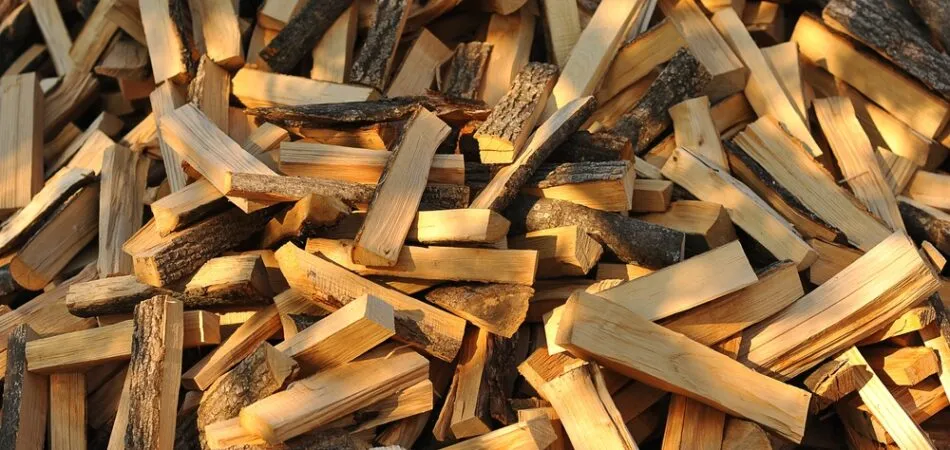
Moisture content (MC) is the single most important factor for good firewood.
- Kiln-dried firewood (≈ 6–12% MC) lights fast, burns clean, produces little creosote, and is ideal for indoor stoves and short-notice fires — but it costs more.
- Seasoned / air-dried wood (≈ 15–20% MC) is fine for most outdoor fires and many indoor stoves if the species is a dry-fast hardwood and you’ve stacked it correctly — but some dense hardwoods (oak, hickory) may need 12–24 months to reach that range. Always use a simple moisture meter to verify MC before burning, store wood off the ground with open sides, and keep kilned wood for indoor use if you can (or mix a few bags of kiln-dried for convenience). Read on for practical how-tos, species guidance, buying questions, and a printable checklist.
Why moisture content matters (the short physics)
When wood burns, energy first goes into evaporating its water. Wet wood:
- produces less usable heat (you lose heat to water evaporation),
- smokes more, creating more airborne particulates and more creosote that gums up chimneys, and
- is harder to ignite and more likely to smolder.
A moisture meter is the only reliable way to know what you have. Target MC values:
- Kiln-dried: 6–12% (ideal for indoor stoves & quick fires)
- Seasoned (air-dried): ~15–20% (acceptable for most uses)
- Green: >25–60% — don’t burn unless no other option

Seasoned (air-dried) wood — pros, cons & how to do it right
Pros
- Low or no processing cost if you cut and split it yourself.
- Good ecological footprint when sourced locally.
- Long logs from old trees can yield excellent fuel once dry.
Cons
- Takes time — commonly 6–24 months depending on species and climate.
- Quality varies by how it’s stacked, exposed to weather, and split size.
- May harbor insects or mold if stored poorly.
How long does seasoning take?
Seasoning depends on four main variables:
- Species / density: softwoods (pine, poplar) dry faster (6–12 months); dense hardwoods (oak, hickory) can take 12–24 months.
- Split size: smaller pieces dry significantly faster — always split rounds before stacking when possible.
- Airflow & sun: open, sunny, windy sites dry wood fastest.
- Local climate: humid and rainy climates slow drying.
Best practices for seasoning
- Split your wood into halves/quarters for faster drying.
- Stack off the ground on pallets or 2×4 stickers to allow airflow under the pile.
- Face the stack so rain runs off (top covered, sides open). Cover only the top — fully tarped piles trap moisture.
- Use stickers (thin spacers) between rows to maximize cross-ventilation for larger stacks.
- Rotate older wood to the front as you add new splinters (FIFO: first in, first out).
- Check MC before burning: aim for ≤20% for seasoned wood.
Kiln-dried wood — pros, cons & when to buy it
Pros
- Fast, predictable drying (hours to weeks depending on the process).
- Low MC (6–12%) — cleaner, hotter indoor burns with minimal creosote.
- Pest control: kilns kill insects, larvae, and mold spores.
- Convenient: often sold bagged and ready to use.
Cons
- More expensive per cord or bag.
- Energy consumption and carbon intensity depend on the kiln fuel source.
- Sometimes over-dried wood will split excessively if poorly stored.
When kiln-dried is worth it
- Regular indoor burning (fireplaces, inserts, woodstoves) — kiln-dried reduces creosote and makes starting fires easy.
- Rental cabins, hospitality, or when you need fast, reliable fires without long storage or seasoning on site.
- If you lack space to season properly, keep a few bags of kiln-dried wood on hand.
How to test firewood dryness (practical, inexpensive)
-
Handheld moisture meter (recommended). Pin meters or pinless meters are inexpensive; test multiple pieces from a stack.
- Acceptable: ≤20% for seasoned; ≤12% for kiln-dried/indoor use.
-
Knock test (quick, subjective): seasoned wood clicks a clear “clack,” green wood sounds dull. Good for a quick check but not reliable.
-
Weight & bark: seasoned wood feels lighter and bark may peel easily. Not a substitute for a meter.
-
End grain checks: radial checks/cracks can indicate drying but are not definitive.
Pro tip: meter readings can vary by species and temperature — test a few different logs in several places (end grain & near the surface) and average the readings.
Stacking & storage — keep your wood dry and pest-free
Location & elevation
- Choose a sunny, well-drained, windy spot. Avoid stacking directly against your house (pest and moisture risk).
- Elevate stacks on pallets, concrete blocks, or long 2×4 stickers to keep wood off the ground and promote airflow.
Orientation & cover
- Stack with little gap between rows for stability but use stickers between courses to allow airflow.
- Cover only the top of the stack (roof or tarp), leaving the sides open to dry. Fully tarped stacks trap moisture and encourage rot.
Short-term indoor storage
- Bring in small batches for daily use and keep them in a dry, ventilated rack near the house. Don’t store large piles inside — fire hazard and pest risk.
Which species should you burn? (quick guide)
- Best long-burning hardwoods: oak, hickory, beech — high heat but long seasoning time.
- Best all-around: ash — seasons in ~6–12 months, burns hot and clean.
- Good quick wood / kindling: birch, poplar — lights easily but burns faster.
- Outdoor/campfire softwoods: pine, fir — light quickly and smell nice, but produce more creosote and sparks; avoid frequent indoor use.
- Special notes for smoking foods: culinary smoking often uses specifically chosen fresh or air-dried wood depending on recipe — follow food-smoking guidance.
Mixing strategy: combine quick-burning wood (birch) to get the fire started and add dense hardwoods (oak/hickory) to maintain long, steady heat.
![Naturally Seasoned Wood vs Kiln Dried Wood For BBQ Which is better? [Billy Buckskin Hardwood Test]](https://i.ytimg.com/vi/jJw95qPPyrc/hqdefault.jpg)
Buying firewood — what to ask a seller (and red flags)
Ask:
- Is it split or round? (split dries faster)
- How long has it been seasoning? (months/years)
- Is it kiln-dried? If so, what MC is guaranteed?
- What species is in the cord or bag? (or is it a mixed load?)
- Is the wood local? (less transport, fewer pests)
- Can I see a sample and can you deliver a portion first?
Red flags:
- Seller refuses inspection or a sample.
- Unusually low price with no provenance — could be green wood.
- Delivery with heavy, moist cords or bark firmly attached everywhere.
Volume note: a full cord = 128 cu ft (4′ × 4′ × 8′). Many sellers quote “face cords” or stacked cords — clarify the actual volume.

Safety & chimney care — non-negotiables
- Creosote buildup is the #1 preventable chimney risk. Burning wet wood increases creosote and the risk of a chimney fire.
- Annual chimney inspection & sweep is essential if you burn wood regularly (more often if burning lots of softwood or wet wood).
- Carbon monoxide detectors — required in any home with combustion appliances. Install and test them regularly.
- Safe storage: don’t stack large piles close to the house; keep clearance from combustibles and follow local fire codes.
- Pest control: moving wood between regions can spread invasive pests (e.g., emerald ash borer) — prefer local sources and use kiln-dried wood when traveling.
Quick starter & burning tips
- Build in layers: tinder (paper, natural fiber), small kindling, then progressively larger pieces.
- Airflow matters: don’t smother the fire; good draft helps complete combustion and reduces smoke.
- Don’t burn treated/painted wood — it releases toxic fumes and contaminates ash.
- Use a moisture meter for peace of mind — it’s the best single investment to prevent creosote and get more heat per cord.
Printable one-page Firewood Buyer’s Checklist
- Target MC: ≤12% (kiln-dried) or ≤20% (seasoned)
- Wood split for faster drying
- Stack off the ground on stickers or pallets
- Top covered; sides open for airflow
- Ask seller for species, seasoning time, and sample
- Request return/inspection option if delivered wet
- Chimney inspected within last 12 months
- CO detectors installed and tested
FAQs
Q: Can I use a moisture meter in winter?
Yes, but let logs return to ambient temperature before measuring; extremely cold temperatures can affect some meter readings.
Q: Is kiln-dried wood environmentally worse?
It uses energy to dry, so check the supplier’s fuel source and transport distance. Local kiln-dried wood from renewable energy sources has lower net impact than long-distance seasoned wood.
Q: Can I burn wood straight from my chain-saw?
No. Freshly cut (“green”) wood has too much moisture; split it and season it properly before indoor burning.

Final recommendations
- If you burn indoors regularly, keep kiln-dried wood on hand for clean, easy fires and use well-seasoned local hardwood for bulk burning.
- If you have the space and patience, season your own split hardwoods properly for the best value and lowest long-term cost.
- Always verify moisture with a meter before burning, maintain your chimney, and prioritize safety (CO detectors and proper storage).