Hardwood vs. Softwood: Navigating Strength, Cost, and Beauty for Your Projects
Choosing the perfect timber for furniture, flooring, and DIY builds isn’t about picking a winner. It’s about matching the right wood’s personality—its durability, price, and looks—to your project’s specific needs.
Here’s the quick take: Don’t let the names fool you. “Hardwood” and “softwood” are scientific categories, not guarantees of hardness. Hardwoods like oak and walnut often are denser and more wear-resistant, perfect for a dining table top. Softwoods like pine and cedar are generally lighter, easier to cut, and kinder to your wallet, making them the go-to for framing, trim, and rustic pieces. Your best choice hinges on what you’re building, how you want it to look, what you can spend, and what’s available near you. This guide will help you navigate those trade-offs like a pro.

Introduction: It’s Not About Hard vs. Soft—It’s About Right vs. Wrong
The old advice to “just use hardwood” can steer you wrong, leading to unnecessary expense or a material that’s downright difficult to work with. A smarter approach starts with a few simple questions:
- What’s this thing for? Will it endure daily abuse, live outdoors, hold heavy weight, or just look pretty?
- How do I want it to look? Am I dreaming of a natural oiled finish, a sleek paint job, or a rustic, character-filled piece?
- What’s my budget and skill level? How much can I spend, and am I equipped to handle a tough, demanding wood?
- What’s available to me? Is there a local sawmill or supplier with beautiful, sustainable options right here?
Your answers will point you to the perfect species, making the hardwood/softwood debate irrelevant.
The Real Difference: It’s All in the Trees
Let’s clear up the confusion right away:
- Hardwoods come from deciduous trees (the ones that lose their leaves). Think oak, maple, cherry, and walnut.
- Softwoods come from coniferous trees (the evergreens with cones). Think pine, fir, spruce, and cedar.
Here’s the kicker: The labels aren’t absolute. A softwood like Douglas Fir can be harder than a hardwood like Basswood. When strength is critical, you need to look up specific properties for the species, not just rely on the category.
Strength & Durability: Picking the Right Wood for the Job
Function should always lead the way. Here’s what to consider:
- Hardness: Measured by the Janka scale, this tells you how well a wood resists dents and scratches. This is your top priority for floors and tabletops.
- Toughness: This is about shock resistance. A tough wood can take a hit without splitting—crucial for chair legs and tool handles.
- Stability: All wood moves with the seasons. Stable woods (and quarter-sawn boards) expand and contract less, which is vital for keeping tabletops flat and cabinet doors from sticking.
- Natural Durability: Some woods are packed with oils and resins that fend off rot and bugs. Cedar, redwood, and teak are champions here, making them ideal for outdoor projects without a lot of chemical treatment.
So, what should you use where?
- High-traffic floors and tabletops: Go for dense hardwoods like white oak, hard maple, or hickory.
- Structural frames and painted trim: Softwoods like pine and fir are cost-effective and paint beautifully.
- Outdoor furniture: Choose naturally resilient woods like cedar, teak, or redwood. Pressure-treated pine is another common option.
- Decorative or practice projects: Inexpensive softwoods are your best friend.
Cost & Availability: Working Within Your Budget
Price isn’t just about the tree; it’s about how fast it grows, how far it traveled, and how hard it is to process.
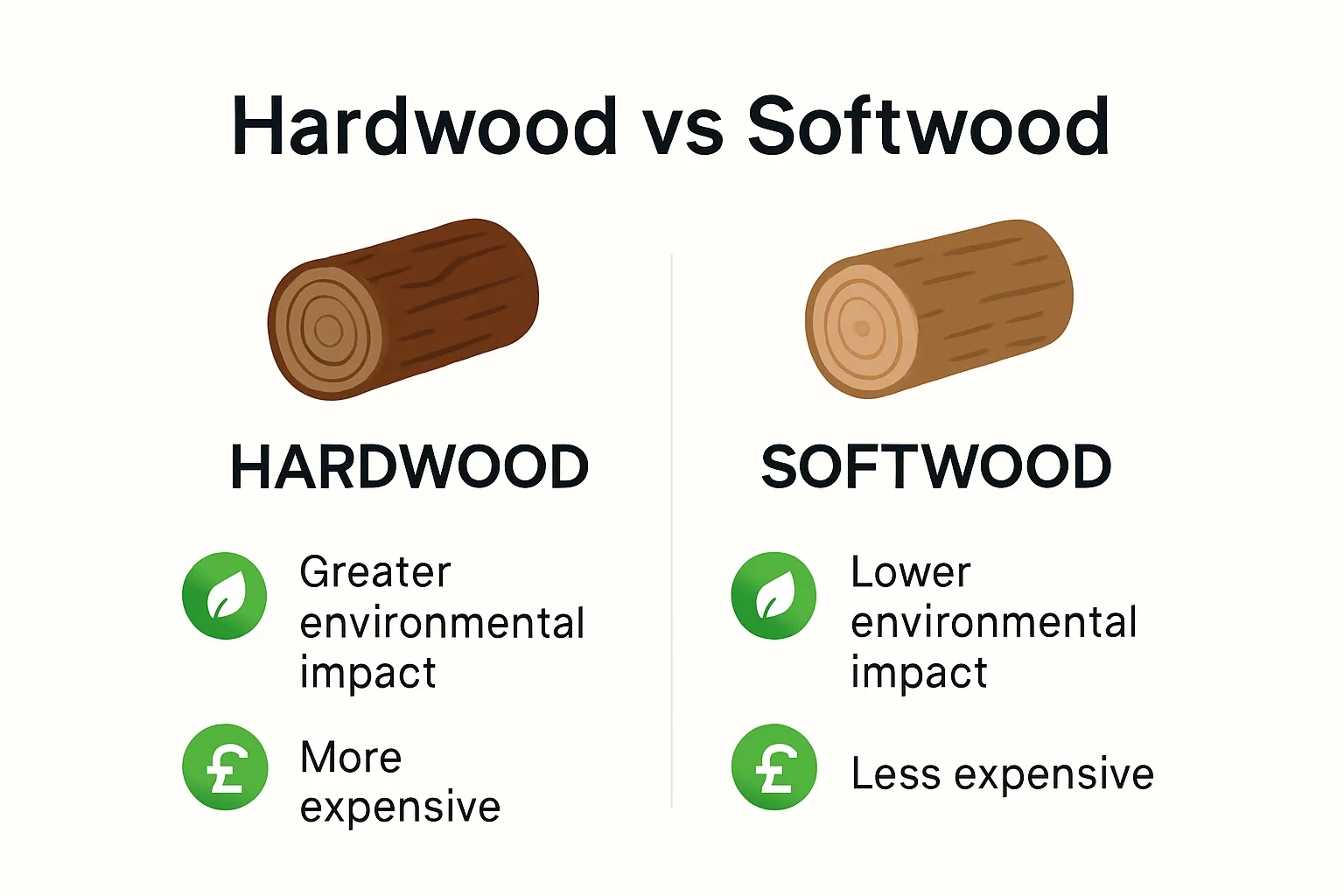
- Softwoods typically win on price. They grow quickly and are abundantly available, making them the economical choice for painted projects and construction.
- Domestic Hardwoods like oak, maple, and cherry hit a sweet spot. They’re reasonably priced (especially locally), durable, and beautiful—the gold standard for furniture makers.
- Exotic Hardwoods like ipe, mahogany, and zebrawood are the luxury sports cars of wood. Their stunning looks and unique properties come with a premium price tag due to import costs and scarcity.
- Reclaimed Wood offers incredible character and a story, but remember to factor in the cost of de-nailing, milling, and potentially dealing with hidden metal.
Smart Cost-Cutting Strategies:
- Mix and match: Build a table with a gorgeous hardwood top and less-expensive softwood legs and apron.
- Consider veneers: High-quality veneered plywood gives you the look of expensive solid wood for a fraction of the cost.
- Buy local: You’ll save on shipping, and you might discover a beautiful, underrated local species.
A note on pricing: Wood prices fluctuate by region and season. If you tell me your general location, I can help research current local price trends for specific species.
Aesthetics: The Soul of Your Project
When the piece is meant to be seen, looks often make the final decision.
- Grain Patterns:
- Open-Grain (Oak, Ash): Has visible pores that create a strong, textured look, especially when stained.
- Closed-Grain (Maple, Cherry): Has a smooth, uniform surface that can be prone to blotching with stain unless treated first.
- Figure: Some woods boast wild, unique patterns like the shimmer of “curly” maple or the dots of “birdseye” maple. These figured boards are rare and command higher prices.
- Character: Knots, mineral streaks, and color variations define styles. “Knotty pine” is essential for a cabin feel, while a clean, consistent board of walnut defines modern elegance.
Finishing Tips:
- Oak is a stainer’s dream—it highlights the beautiful grain.
- Maple can be tricky to stain evenly; using a pre-stain wood conditioner or a dye-based stain is often necessary.
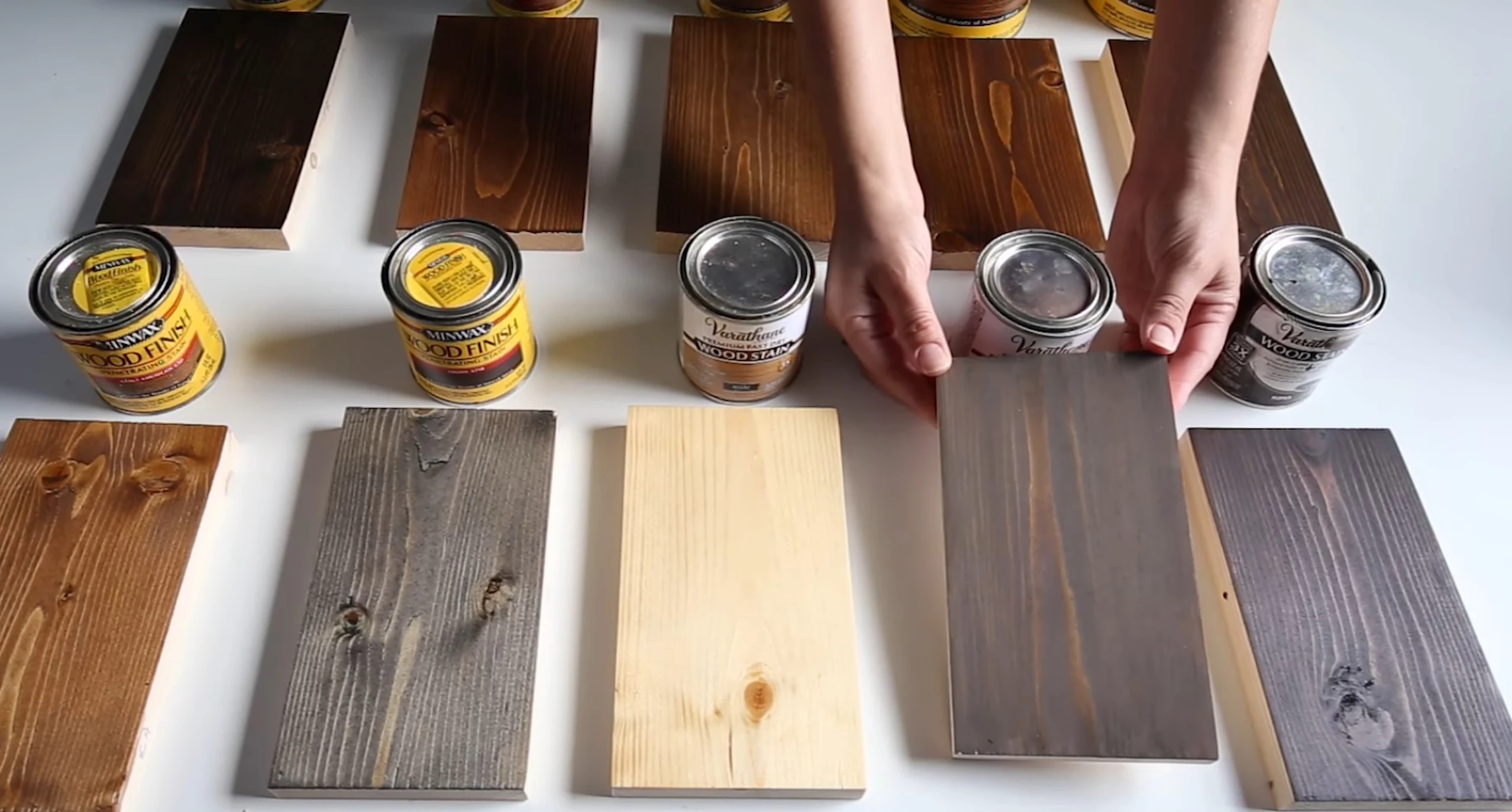
- Softwoods like pine absorb paint very well but can look splotchy with stain due to their soft and hard grain sections.
Style Guide:
- Modern & Sleek: Walnut, Maple, Birch
- Rustic & Farmhouse: Reclaimed Barnwood, Knotty Alder, Cedar
- Traditional & Formal: Cherry, Quarter-Sawn Oak, Mahogany
- Bold Statement: Figured Maple, Purpleheart, Zebrawood
Workability: The Feel in the Workshop
Your tools and your skills matter.
- Softwoods are the workshop sweethearts. They cut like butter, are forgiving with hand tools, and are perfect for beginners and quick projects.
- Hardwoods demand respect. They require sharp blades, slower feed rates, and can be tough on tools. The payoff is a glass-smooth finish and incredibly strong joints.
Joinery and Fastening:
- Always drill pilot holes, especially in hardwoods, to prevent splitting.
- Softwoods are soft; use washers to keep screw heads from digging in and crushing the fibers.
- For heirloom-quality pieces, traditional joinery like mortise and tenon or dovetails will outlast any screw.
Stability: Taming Wood’s Inner Movement
Wood is a living, breathing material that reacts to humidity. You can manage this in two key ways:
- Choose Quarter-Sawn: Boards sawn this way are significantly more stable across their width. They are the premium choice for tabletops and flooring where flatness is non-negotiable.
- Mind the Moisture: Only use wood that has been properly dried (kiln-dried is standard) and let it acclimate in your workshop for a week or two before you start cutting. This allows it to reach equilibrium with your home’s environment.
Sustainability: Building with a Conscience
Where your wood comes from matters.
- Local First: Choosing a species harvested nearby drastically reduces the environmental cost of transportation.
- Look for Certification: The FSC (Forest Stewardship Council) or PEFC label ensures your wood comes from a responsibly managed forest.
- Reclaimed is King: Giving old wood a new life is perhaps the most sustainable choice. Just be sure to ask about its history and any chemical treatments it might have had.
Project Cheat Sheet: Your Quick-Reference Guide
- Heavy-Use Tabletop: Oak, Hard Maple, Hickory
- Painted Furniture or Built-Ins: Poplar, Pine, MDF
- Flooring: White Oak, Maple (solid or engineered)
- Outdoor Furniture: Cedar, Redwood, Teak
- Beginner DIY Project: Pine, Cedar, Poplar
- Heirloom Furniture: Walnut, Cherry, Quarter-Sawn Oak
What to Ask at the Lumberyard
Don’t just point and buy. Have a conversation.
- “What species is this, and what’s its grade?”
- “Is it kiln-dried? What’s the moisture content?”
- “How was it sawn? (plain-sawn vs. quarter-sawn)”
- “Can I hand-pick my boards?” (Always try to do this!)
- “Do you have any stock that’s been acclimating here for a while?”
Caring for Your Creation
- Oiled/Varnished Hardwoods: Expect to refresh the finish every few years. They can be sanded and refinished, making them incredibly long-lasting.
- Painted Softwoods: Easy to touch up with a bit of paint, but dents in the underlying wood will still show through.
- Floors: Use area rugs in high-traffic zones and maintain the finish according to the manufacturer’s instructions.
Busting Common Myths
- Myth: “Hardwood is always harder than softwood.” Truth: Botany, not hardness, defines the categories. Yew (a softwood) is harder than Aspen (a hardwood).
- Myth: “Reclaimed wood is a cheap alternative.” Truth: The labor to de-nail, clean, and mill old barn wood often makes it more expensive than new lumber.
- Myth: “Exotic is always superior.” Truth: While stunning, exotic woods aren’t always necessary. A well-chosen domestic hardwood can be just as beautiful, durable, and more sustainable.
Bringing It All Together
To make this truly useful, include:
- A visual gallery of different woods sanded and finished.
- A downloadable PDF checklist for choosing wood based on project type.
- An interactive tool where readers can input their project (e.g., “kitchen table”) and get species recommendations.
FAQs
Q: So, is oak actually better than pine?
It’s not better, it’s different. Oak is tougher for a tabletop that will see daily use. Pine is softer, cheaper, and perfect for a painted bookshelf or a rustic farmhouse table where dents add character.
Q: Can I really make a dining table out of pine?
Absolutely. Design it with a thick top, use a durable finish like a hardwearing oil or polyurethane, and understand that it will develop a patina of dings and dents over time—which many people love.
Q: How crucial is moisture content?
It’s everything. Wood that hasn’t been dried properly or acclimated to your space will warp, crack, and twist, ruining your project. Never skip this step.
Q: What’s the big deal with quarter-sawn wood?
It’s not just about the beautiful straight grain pattern (though that’s a big part of it). Quarter-sawn wood is vastly more stable, meaning it expands and contracts much less with seasonal humidity changes. This makes it the top choice for quality furniture and flooring.
The Bottom Line: Your Decision, Simplified
Forget hard vs. soft. Find the wood that answers “yes” to these four questions:
- Is it strong enough for the job?
- Do I love how it looks?
- Does it fit my budget?
- Can I get it without a huge environmental footprint?
When you find that wood, you’ve made the right choice.